Curved Furniture, Soft Silhouettes: The End of Sharp Minimalism
Why Sharp Minimalism Is Fading
Curved Furniture, Soft Silhouettes: The End of Sharp Minimalism
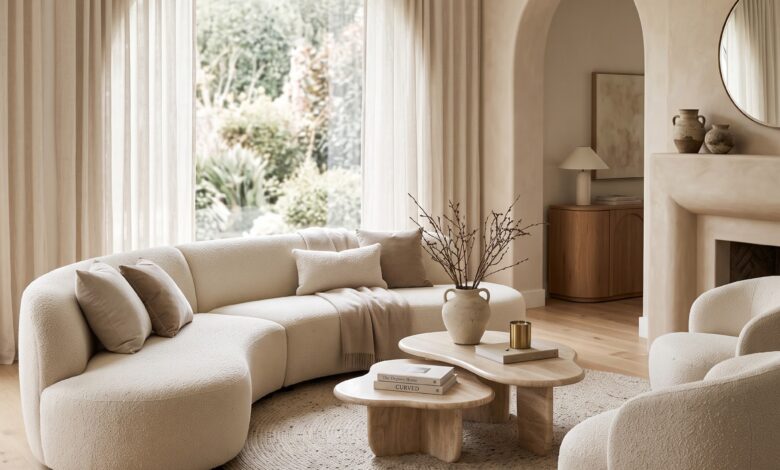
Sharp edges are losing the game. I have noticed this shift across every project I take up this year. Clients no longer want boxy sofas and hard-edged tables. They want rooms that feel soft, warm, and lived-in. Curved furniture is leading this change, and I want to break down why it matters for your home.
Why Sharp Minimalism Is Fading
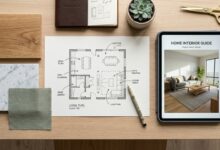
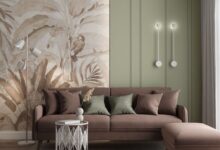
Stark minimalism ruled for over a decade. Clean lines, glass edges, cold greys. It looked good in photos, but it rarely felt comfortable in real life. I see clients now asking for the opposite.

- ✗ Sharp-edged furniture that feels stiff
- ✗ Cold, all-grey colour schemes
- ✗ Rooms that photograph well but feel empty to live in
- ✓ Soft curves that feel welcoming
- ✓ Warm textures that invite you to sit and stay
What Curved Furniture Actually Means
Curved furniture is not just round tables. I am talking about the full shift toward organic shapes.
- Sofas: Rounded arms, no more sharp 90-degree corners
- Coffee tables: Oval and kidney shapes replacing rigid rectangles
- Chairs: Sculptural, flowing frames instead of boxy seats
- Cabinets: Soft-edged fronts with curved handles
I design these pieces using CNC routing and steam-bent wood. This gives seamless curves without weak joints. The grain of the wood follows the curve naturally, so the piece looks intentional, not forced.
Why This Trend Works for Indian Homes
I always tell my clients this trend suits our homes better than sharp minimalism ever did.
- ✓ Curved furniture feels safer in smaller rooms with kids around
- ✓ Soft shapes make compact spaces feel less boxed-in
- ✓ Rounded edges pair well with our warm, earthy colour palettes
- ✓ Easier to style with existing decor, no rigid rules to follow
How I Bring This Trend Into Your Space
1. Start with One Statement Piece
You don’t need to redo the whole room. I usually start with one curved anchor piece. A rounded sofa or an oval dining table changes the entire feel of the space.
2. Pair Curves with Natural Materials
Curved wood, tactile fabrics, and warm tones work together. I avoid pairing curves with cold materials like glass or chrome. Wood and boucle fabric bring out the softness fully.
3. Balance Curves with Straight Lines
A room full of curves can feel chaotic. I always balance one curved piece with straight-line elements like a rectangular rug or a linear shelf. This keeps the room grounded.
4. Use Curves in Kitchen and Storage Units Too
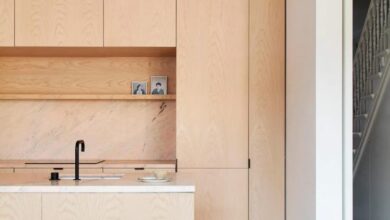
Curved furniture is not just for living rooms. I now design kitchen islands with rounded edges and cabinet fronts with soft curves. This trend flows into every room of the home.
What to Avoid
- ✗ Mixing too many curved pieces without any straight lines
- ✗ Choosing curved furniture in cold, glossy finishes
- ✗ Ignoring scale, oversized curves overwhelm small rooms
My Final Take
Sharp minimalism gave us clean rooms. Curved furniture gives us comfortable homes. I design every project now with this balance in mind, soft shapes, natural materials, and a warm feel that lasts beyond a trend cycle.
At Moduluxe Decor, I bring this design language to homes across Kharagpur, Midnapore, Debra, Digha, Kolaghat, Jhargram, Balasore, and Baripada. If your home feels too sharp and stiff, I can help you soften it the right way.
Read more–
Vastu Tips for Your Bedroom: Design a Peaceful Personal Space
Budget vs Premium Modular Kitchen: What’s the Real Price Difference in 2026